The Influence of Risk Perception
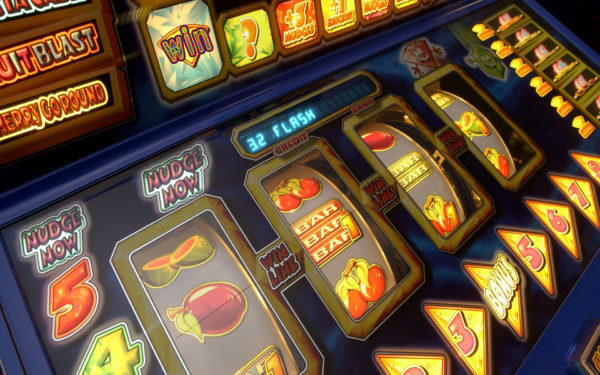
The psychology of gamblers is deeply tied to their perception of risk. Different games present varied levels of risk, and players often gravitate towards those that match their personal tolerance. For instance, someone who enjoys the thrill of uncertainty may prefer high-stakes games like poker or blackjack, where skill influences outcomes. Conversely, players seeking a less intense experience might opt for slots, which offer the allure of a quick payout without the strategic pressure. Moreover, when considering options for placing bets, some may explore bitcoin betting sites to enhance their gambling experience.

This perception of risk goes hand in hand with the concept of loss aversion, where individuals are more motivated to avoid losses than to achieve equivalent gains. As a result, players might avoid games that appear too risky, favoring options that seem to promise more consistent, albeit smaller, wins. Understanding how risk shapes choices can help casinos tailor their offerings to meet the psychological needs of different segments of players.
The Role of Cognitive Biases
Cognitive biases play a significant role in the decision-making processes of casino patrons. One such bias is the gambler’s fallacy, where individuals believe that past independent events affect future outcomes. For example, a player may incorrectly assume that a slot machine is “due” for a win after a streak of losses. This fallacy influences game choices, as gamblers often select machines they perceive as more favorable based on their flawed reasoning.
Additionally, the availability heuristic can lead players to choose games they have seen advertised or played by friends, believing these options are inherently better. This bias highlights the impact of social proof and marketing on gaming decisions, demonstrating how psychological factors can overshadow objective probabilities in the gambling landscape.
The Impact of Emotions on Game Selection
Moreover, the excitement of winning can create an emotional high that reinforces the desire to play. This emotional loop can lead to repeated engagement with certain games that elicit a strong emotional response, sometimes even resulting in compulsive gambling behavior. Understanding this relationship between emotions and game choice is crucial for both players and operators in the gaming industry.
Demographics and Gaming Preferences